
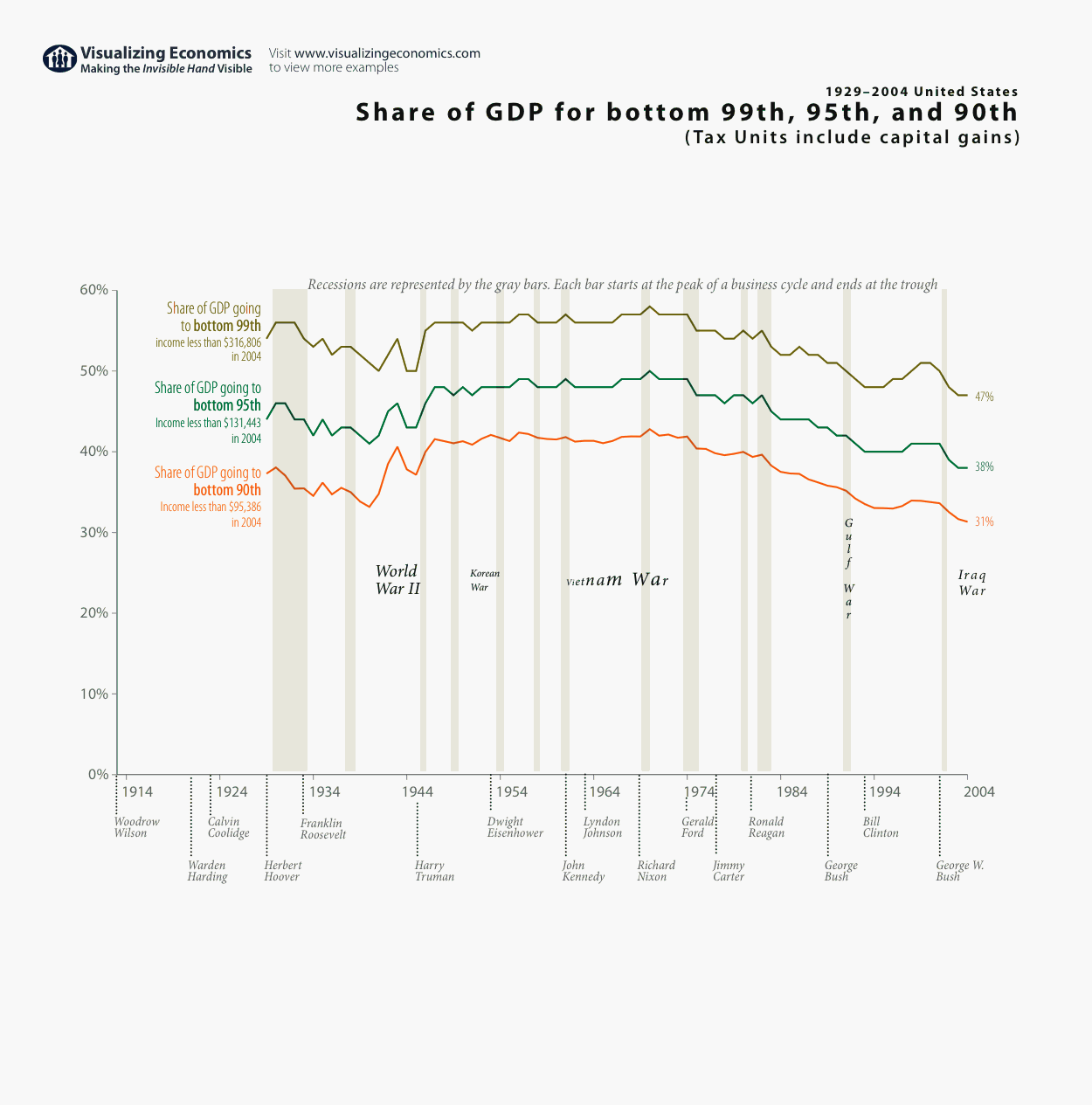
In my earlier post, I graphed the share of GDP going to the bottom 90% and top 10%. In this graph I am comparing the bottom 99th, 95th and 90th Income/GDP ratios (including capital gains). The same pattern appears: the decline in GDP share occurring in the 70s for each percentile.
Based on some comments on other graphs I posted I have added a few new items. First I am displaying recessions (via the gray bands) along with timeline of wars and presidential terms in order to provide some historical context. Second, I copied the data used in this graph into a Google spreadsheet which can be viewed by anyone with a Google Account.
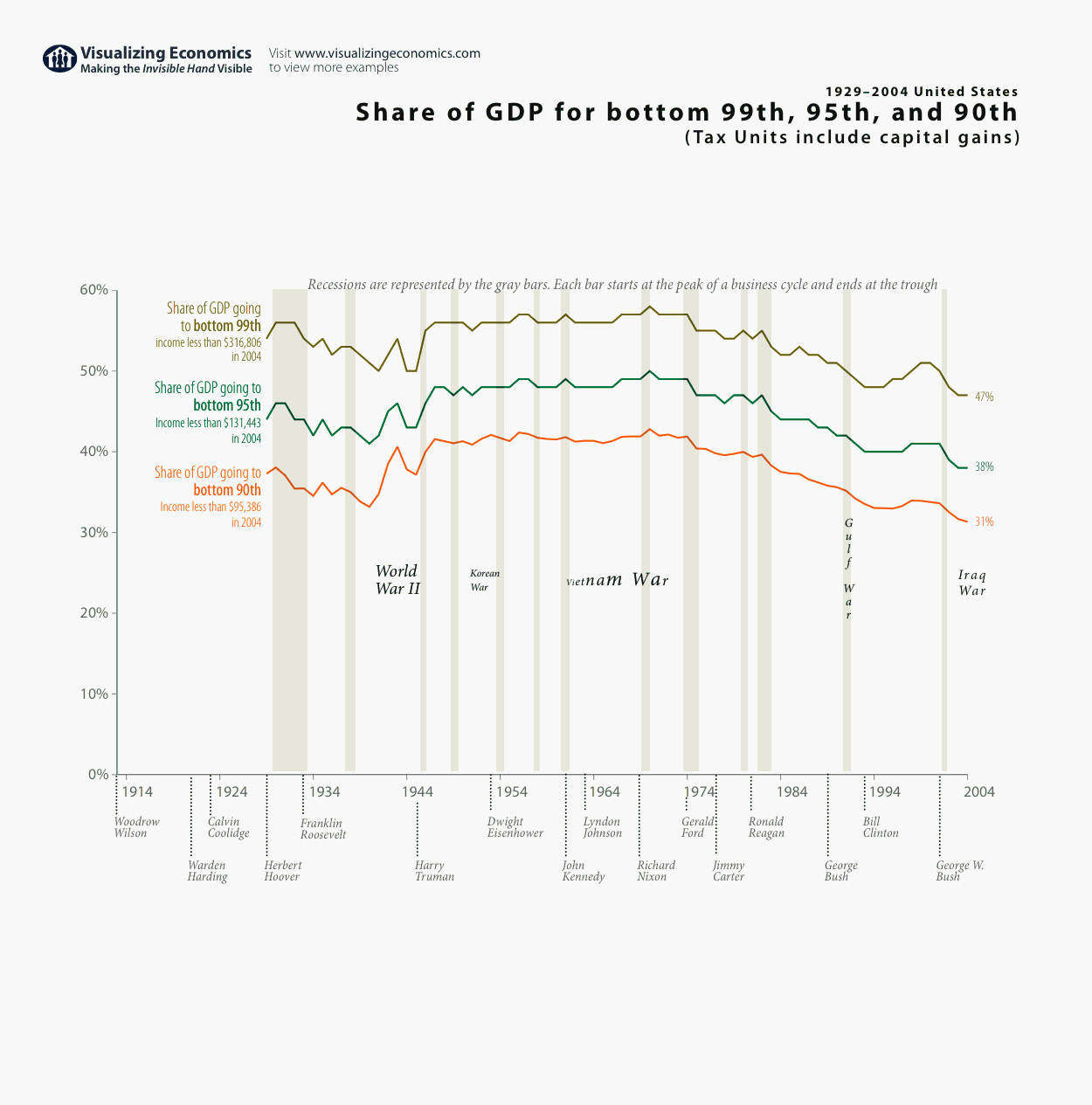
{Click on the graph to take a closer look}
![]()
[tags]GDP, Income[/tags]


Visualizing Economics was created by 
{ 2 comments… read them below or add one }
Thanks for the recession bars CM. Some graphs they will have more effect than others.
This one it looks like the wealthier weather recessions better than the rest in general. It also looks like that recession effects are swamped by longer trends.
Thanks to the long run view you provided it looks like the trend that started in the early 70’s roughly played itself out about a dozen years ago as the WWII effect finally ended and we reverted to the pre-WWII nadir. However there may be another trend, such as the popular theory that there are now higher relative returns to education due to high tech than before.
By the way, my WWII effect hypothesis is that wages went up for the uneducated thanks to WWII and stayed up thanks to the fact that most of the high human capital world was bombed out. Blue collar labor was selling at an artificial premium. Once “everyone” bought all the stuff they had wanted to own since the Great Depression started, those industries became mature and growth in the manufacturing of stuff leveled off. In a mature industry that has increasing productivity you then have fewer and fewer workers in those industries.
So between the rest of the world being rebuilt, and the maturing of those low education required industries, the blue collar premium ended and the higher relative return to education (vs those who are relatively uneducated) started revealing itself again.
happyjuggler0:
The top graph represents incomes up to $315,000. Very few prople earn more that this because of their “education”. Most doctors, lawyers, Phd’s etc earn well below this level. The fact that this curve also show a decline indicates the the loses suffered by the “uneducated” workers are not being captured by the “educated” workers.